The Book That Launched a Million Programs: How 101 BASIC Computer Games Changed Computing
Introduction
Before sleek desktops and touchscreens, personal computers booted to a stark command line. For many early enthusiasts, the only way to make a computer do something fun was to manually type in programs from printed pages. One book in particular — 101 BASIC Computer Games — became the catalyst that transformed hobbyists into programmers and sparked the microcomputer revolution. This article explores the story behind that legendary book, its creator David Ahl, and the enduring legacy of the BASIC era.
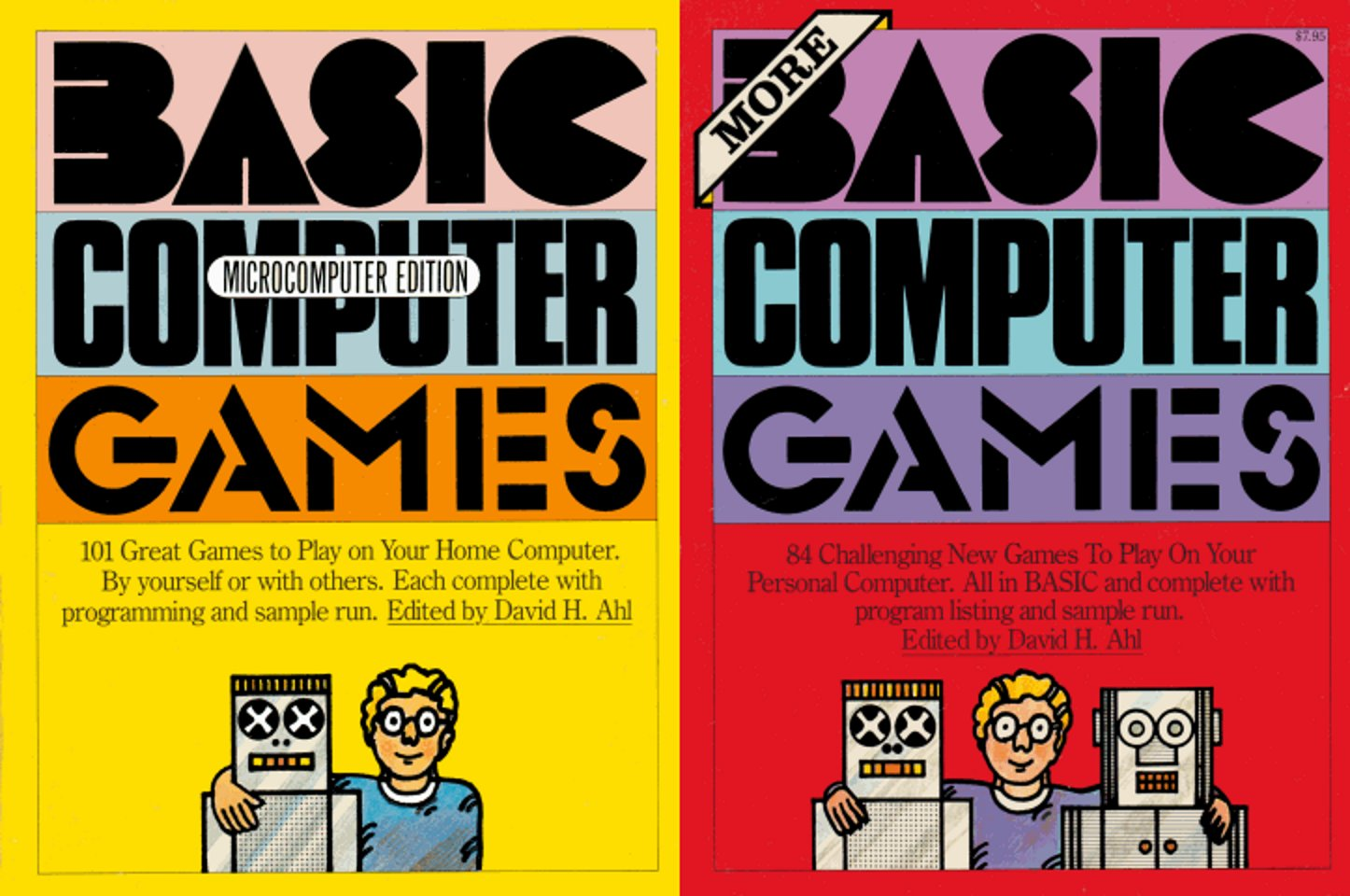
The Book That Defined an Era
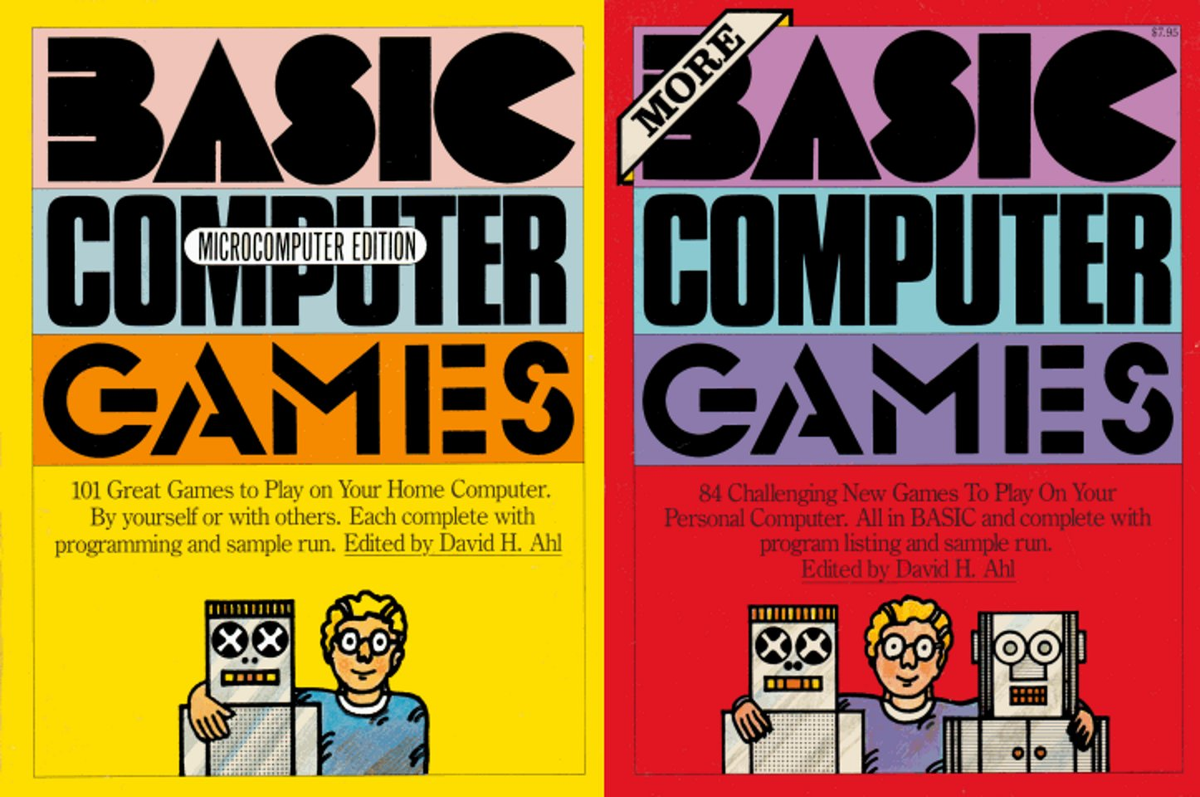
Originally compiled by David Ahl in 1973 while he worked at Digital Equipment Corporation (DEC), 101 BASIC Computer Games was a collection of programs ported from the earlier FOCAL language to the then-ubiquitous BASIC. The book was essentially a “greatest hits” of games from Ahl’s Creative Computing magazine, which he founded shortly after leaving DEC. For thousands of young tinkerers, this book was the gateway to understanding how computers think. They would spend hours — sometimes days — typing in lines of BASIC code, only to be rewarded with a simple text‑based game like Guess the Number or Hammurabi.
David Ahl’s Vision and Grit
After deciding to leave DEC, Ahl wasted no time in laying the groundwork for Creative Computing. He announced his intentions at the National Computer Conference in June 1974, and over the next few months he contacted prospective authors, acquired mailing lists, arranged for typesetting and printing, and managed countless administrative details. All of this happened while he moved his family to Morristown, New Jersey, and started a new job at AT&T. With little spare capital, Ahl relied on what he called “sweat equity.” He edited and wrote articles himself, specified type, took photographs, collected clip art, drew illustrations, laid out boards, created circulation flyers, and even hand‑pasted labels and sorted bundles of mail.
By October 1974, when the first print run was due, Ahl had only 600 subscribers. But he refused to print just 600 copies. Instead, he took all the subscription money he had received, divided it in half, and printed 8,000 copies. They rolled off the presses on October 31, 1974. Ahl recalls driving to the printer, feeling euphoric — until he saw two skids of magazines and wondered how he would ever move them. Over three trips, he filled his basement and garage with 320 bundles of 25 magazines each. The next day he delivered the 600 subscriber copies to the post office, but it took nearly three weeks to hand‑paste labels onto the remaining 7,400 copies and send them unsolicited to libraries and school systems across the country.
A Timeline of Influence
The impact of 101 BASIC Computer Games and Creative Computing can be traced through key milestones:
- 1971: Ahl ports programs from FOCAL to BASIC.
- 1973: 101 BASIC Computer Games is first published by DEC.
- 1974: Ahl founds Creative Computing magazine and acquires the rights to the book from DEC.
- 1977: The “trinity” of affordable microcomputers — the Apple II, Commodore PET, and TRS‑80 — are released, all with built‑in BASIC, making the games instantly accessible to a new generation.
This timeline shows how a single book, born from one man’s determination, became the bedrock of personal computing education.
The Enduring Legacy
For countless individuals, 101 BASIC Computer Games was not just a source of entertainment; it was a launchpad for careers. The act of typing in code, debugging errors, and then seeing a game run instilled a deep understanding of programming logic. The book’s influence extended far beyond its initial print run, inspiring later collections and even modern educational tools like Scratch. As the personal computer industry exploded after 1977, the skills learned from those typed‑in games helped shape the first generation of software developers.
Today, we can look back at that era with nostalgia and appreciation. David Ahl’s willingness to take a financial risk — printing thousands of extra copies and mailing them to schools — seeded the curiosity of thousands of future programmers. The book remains a testament to the power of a simple idea: give people a way to make their computer do something fun, and they will teach themselves the rest.
Conclusion
From the command lines of the early 1980s to the touch interfaces of today, the spirit of 101 BASIC Computer Games lives on. It reminds us that sometimes the most influential tools are not the flashiest, but the ones that open a door — even if that door requires typing in a hundred lines of BASIC by hand.
Related Articles
- NVIDIA CEO Jensen Huang to Graduates: Your Careers Begin at the Dawn of the AI Era
- Empowering Educators: ISTE+ASCD Announces 2026-27 Voices of Change Fellows
- AI-Powered Manufacturing Takes Center Stage at Hannover Messe 2026
- Social Media Giants Settle Landmark School District Lawsuit Over Student Harm
- From Zero to IT Hero: freeCodeCamp's Ultimate IT Fundamentals Bootcamp
- How Building a Personal Knowledge Base Keeps Your Skills Sharp in the AI Era
- How to Use Coursera's 2025 Gender Gap Report to Boost Women's Participation in GenAI and Critical Thinking
- Panic in Hiring: One Third of Job Seekers Flee AI Interviews