Artemis III Launch Delayed to Late 2027 as NASA Focuses on Earth Orbit Tests
Revised Timeline for Artemis III
NASA's Artemis III mission, originally aimed at returning humans to the lunar surface, will now launch no earlier than late 2027. The agency's administrator, Jared Isaacman, informed lawmakers that both primary lunar lander contractors—SpaceX and Blue Origin—project their spacecraft will be ready for a key orbital test by that date. This update marks a delay from NASA's earlier internal schedule.
Earth Orbit Mission Instead of Lunar Landing
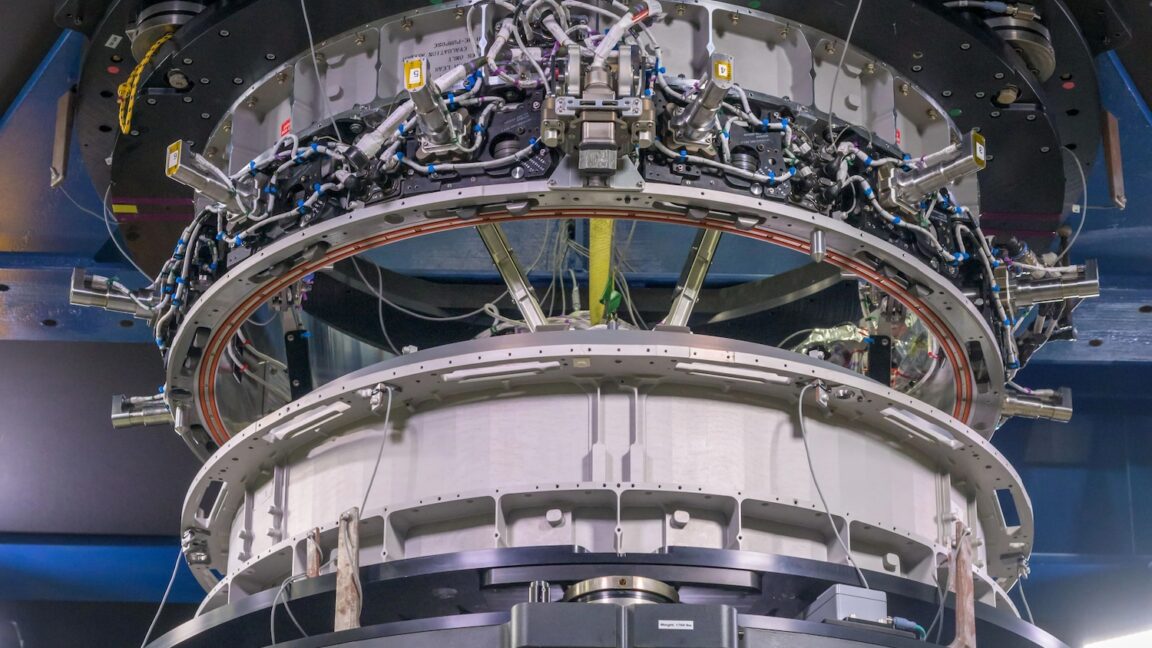
Unlike the initial plan, Artemis III will not travel to the Moon. Instead, an Orion capsule carrying astronauts will rendezvous and potentially dock with one or both landers in low-Earth orbit. This shift allows NASA to rehearse transfer and docking procedures without the complexities of a lunar environment. The exact flight plan remains under review, with key variables still unresolved—such as the orbit's altitude and the specific configuration of the Space Launch System (SLS) rocket's upper stage.
The Upper Stage Dilemma
A lower orbit, just a few hundred miles up, could sidestep the need to use an already-built SLS upper stage currently in storage. Preserving this stage would benefit the subsequent Artemis IV mission, which aims for an actual lunar landing. Conversely, a higher orbit would require that upper stage but offers a more Moon-like environment for testing spacecraft systems. NASA is balancing cost, risk, and scientific payoff in this decision. Meanwhile, the agency is acquiring a new commercial upper stage—the Centaur V from United Launch Alliance—to pair with the SLS once existing upper stages are exhausted.
Contractor Readiness and Next Steps
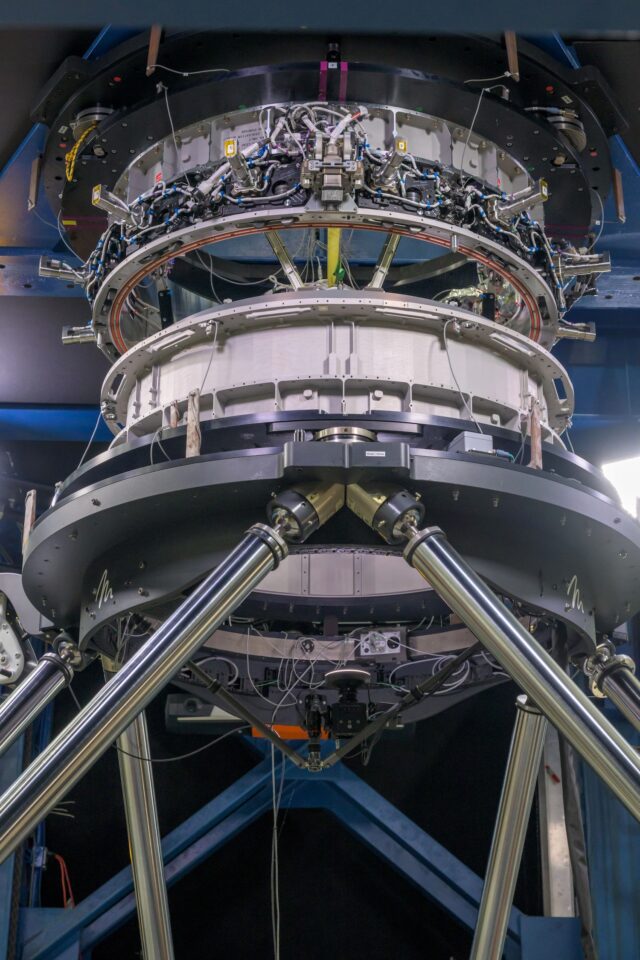
Both SpaceX and Blue Origin have committed to delivering their landers for the Earth orbit milestone by late 2027. SpaceX's Starship Human Landing System and Blue Origin's Blue Moon Mark 2 are central to the Artemis architecture. The orbital checkout will validate critical systems—including propulsion, life support, and docking mechanisms—before committing to a lunar mission. NASA continues to review proposals and may adjust the test plan based on technical progress and budgetary constraints.
For more details on the Artemis program's overarching goals, see the Earth Orbit Mission section above.
Related Articles
- The Evolution of IVF: How Technology Revolutionized Baby-Making
- 10 Breakthroughs in Cryogenic Fuel Technology for Deep Space Exploration
- Embracing Finite: The Discrete Universe of Doron Zeilberger
- Q&A: Global Forest Loss Trends and Regulatory Updates in 2026
- Python Environments VS Code Extension: April 2026 Update Q&A
- 10 Critical Facts About the Hidden Accelerant Driving Antarctic Ice Melt
- How the U.S. Space Force Aims to Deploy Golden Dome Space-Based Interceptors by 2028
- How MAVEN Spotted a Familiar Space Weather Trick in Mars’ Unexpected Atmosphere