Why Wind Power Is Under Attack — And Why It's Really Just Solar Energy: 10 Key Facts
Wind energy faces a well-funded, organized opposition that tries to undermine its credibility. But here’s the truth: wind power is essentially a form of solar energy. The sun’s uneven heating of the Earth drives wind patterns, meaning every wind turbine captures stored sunlight. This article unpacks the science, the politics, and the myths behind the attacks. Here are ten things you need to know.
1. Wind Energy Is Solar Energy in Disguise
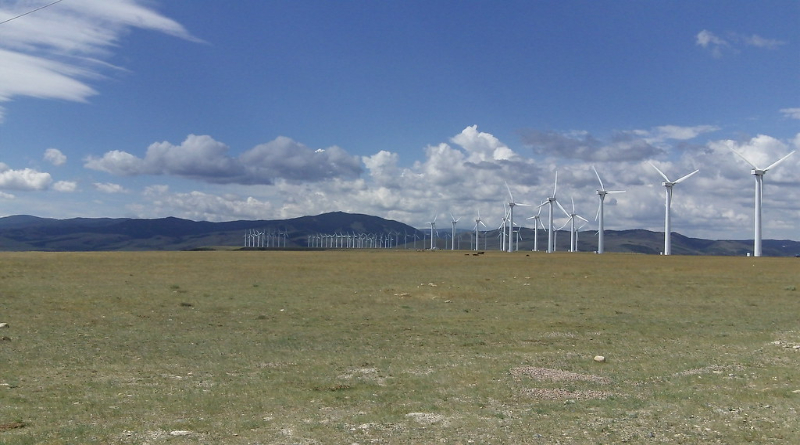
The same solar radiation that warms our planet also creates wind. As the sun heats the Earth’s surface unevenly, temperature differences cause air to move. That movement is wind. Wind turbines simply convert this kinetic energy into electricity. So when critics attack wind power, they’re attacking a form of solar energy. Understanding this fundamental link helps reveal why wind is a natural partner to photovoltaics, not a competitor.
2. A Well-Financed Campaign Seeks to Stop Wind Development
Global opposition to wind energy isn’t organic—it’s orchestrated. The Financial Times has reported on what it calls the US president’s “crusade against renewable energy.” Groups like WindEurope warn that these attacks pose a “systemic risk to Europe’s security.” Behind many campaigns lie fossil fuel interests, misinformation, and political lobbying designed to slow the clean energy transition. Recognizing this organized effort is the first step to countering it.
3. Political Attacks on Wind Threaten Energy Security
When leaders target wind power, they jeopardize national energy independence. Wind reduces reliance on imported fossil fuels and stabilizes electricity prices. The European Union, for instance, views wind as critical to its energy strategy—yet coordinated smear campaigns risk derailing projects. A single country’s anti-wind policy can chill investment worldwide, making it harder to meet climate goals and secure affordable power for millions.
4. The Science Is Clear: Solar Heating Drives Wind
The physical connection between sun and wind is well established. Solar radiation warms the equator more than the poles. Warm air rises, cool air rushes in to fill the gap—that’s wind. According to the National Renewable Energy Laboratory, about 2% of solar energy reaching Earth is converted into wind kinetic energy. This means wind farms are effectively harvesting a small fraction of the sun’s power, just as solar panels do.
5. Wind Power Is Essential for a Balanced Renewable Grid
Solar and wind complement each other perfectly. Solar peaks during sunny hours; wind often blows stronger at night or during cloudy weather. A diverse renewable mix reduces the need for battery storage and keeps the grid stable. Germany, Denmark, and Texas have shown that high wind penetration works. Attacking wind alone ignores the need for a holistic system where every renewable technology plays a vital role.
6. Common Myths About Wind Turbines—Debunked
Critics claim wind turbines kill birds, cause noise pollution, and are inefficient. Let’s set the record straight: modern turbines have bird-safe designs and kill far fewer birds than cats or windows. Noise levels at typical homes near a wind farm are below 45 decibels—quieter than a refrigerator. And wind turbines operate at capacity factors of 30–50%, making them highly competitive with fossil plants. Most objections are based on outdated or misleading information.
7. Wind Energy Delives Strong Economic Returns
Wind power creates jobs, lowers electricity costs, and attracts investment. The US wind sector employs over 120,000 people and has driven billions in rural land lease payments. In many regions, wind is now the cheapest form of new electricity generation. Losing political support risks sending those jobs overseas and raising energy prices. The economics alone make the case for defending wind energy.
8. Global Public Support for Wind Remains High
Despite organized opposition, polls consistently show broad public backing for wind power. A 2023 Pew Research survey found 73% of Americans favor more wind farms. In Europe, support is even stronger. The disconnect between public opinion and political attacks highlights the influence of special interests. Citizens who understand the solar–wind link are more likely to support renewable policies.
9. The Same Arguments Once Targeted Solar—Now They Target Wind
History repeats itself. In the 2000s, solar faced similar attacks: too expensive, unreliable, land-hungry. Today solar is mainstream. The same playbook is being used against wind. Recognizing this pattern helps dismiss the criticisms as temporary hurdles rather than permanent flaws. As technology improves and costs fall, wind will likely overcome these attacks, just as solar did.
10. You Can Help Counter the Anti-Wind Narrative
Individuals have power. Share accurate information about wind’s solar roots. Contact elected officials to express support for wind projects. Invest in companies that build renewable energy. Even small actions—like debunking a myth in conversation—help shift the debate. When enough people understand that wind is just another form of solar, the attacks lose their sting.
Wind power isn’t an enemy of solar; it’s part of the same family. The campaign to discredit it is based on misinformation and vested interests. By knowing the facts—especially the fundamental solar connection—you can help protect the clean energy future. Don’t let the noise drown out the science.
Related Articles
- First Community Benefit Deal Sealed Under Tough New Renewable Energy Planning Laws
- Google Chrome M137 Brings Speculative Optimizations to WebAssembly, Boosting Performance by Over 50% in Some Cases
- Q&A: Windows 11 Taskbar, RISC-V Router, and E Ink Color Dev Kit Explained
- Refresh Your Screen: A Step-by-Step Guide to Getting the May 2026 Community Wallpapers
- Global EV Divergence: Insights from Auto China 2026 and the US Market
- 10 Key Insights on the Limited 'Return to Coal' Amid the Iran Crisis
- How Quantum Batteries Achieve Lightning-Fast Charging with Laser Technology
- The Denza Z: BYD's 1,000+HP Electric Hypercar Ready to Conquer Europe