Australia's Home Battery Boom Hits 400,000 Installations, Matching Grid-Scale Storage Capacity
Breaking: Home Battery Surge Passes 400,000 Mark
Australia has reached a remarkable milestone in its clean energy transition. Home battery installations have surged past 400,000 units, according to new data released today.
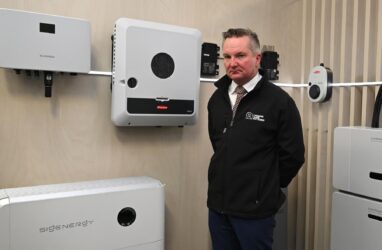
The storage capacity of these residential systems now matches the total capacity of all utility-scale batteries installed over the past year. This marks a pivotal shift in how energy is stored and used across the nation.
Federal Energy Minister Chris Bowen called the achievement a “remarkable milestone”, highlighting the accelerating adoption despite recent changes to rebate schemes.
Quotes from Officials and Experts
“Households are voting with their wallets,” Bowen said in a statement. “They see the value in storing their own solar power and reducing reliance on the grid.”
Industry analyst Dr. Samantha Greene of the Australian Energy Storage Institute added: “This is not just a trend—it's a structural change. Residential batteries are becoming as critical as large-scale storage for grid stability.”
Dr. Greene noted that the pace of installations has accelerated even after several states reduced feed-in tariffs and changed rebate eligibility. “Consumers are now driven by energy independence, not just incentives.”
Background: Rebate Changes and Rising Demand
Since 2022, multiple state governments have scaled back upfront subsidies for home batteries. Despite this, sales have continued to climb.
The surge is fueled by rising electricity prices, frequent grid outages, and the growing appeal of solar-plus-storage packages. Many households now see a battery as a sound long-term investment.
Australia already leads the world in rooftop solar penetration, with over 3.5 million homes generating their own power. Batteries are the next logical step to capture and use that energy after sunset.
What This Means: A New Energy Landscape
The 400,000-home battery milestone signals a shift away from centralized power systems. Each household battery acts as a miniature power plant, collectively smoothing demand on the national grid.
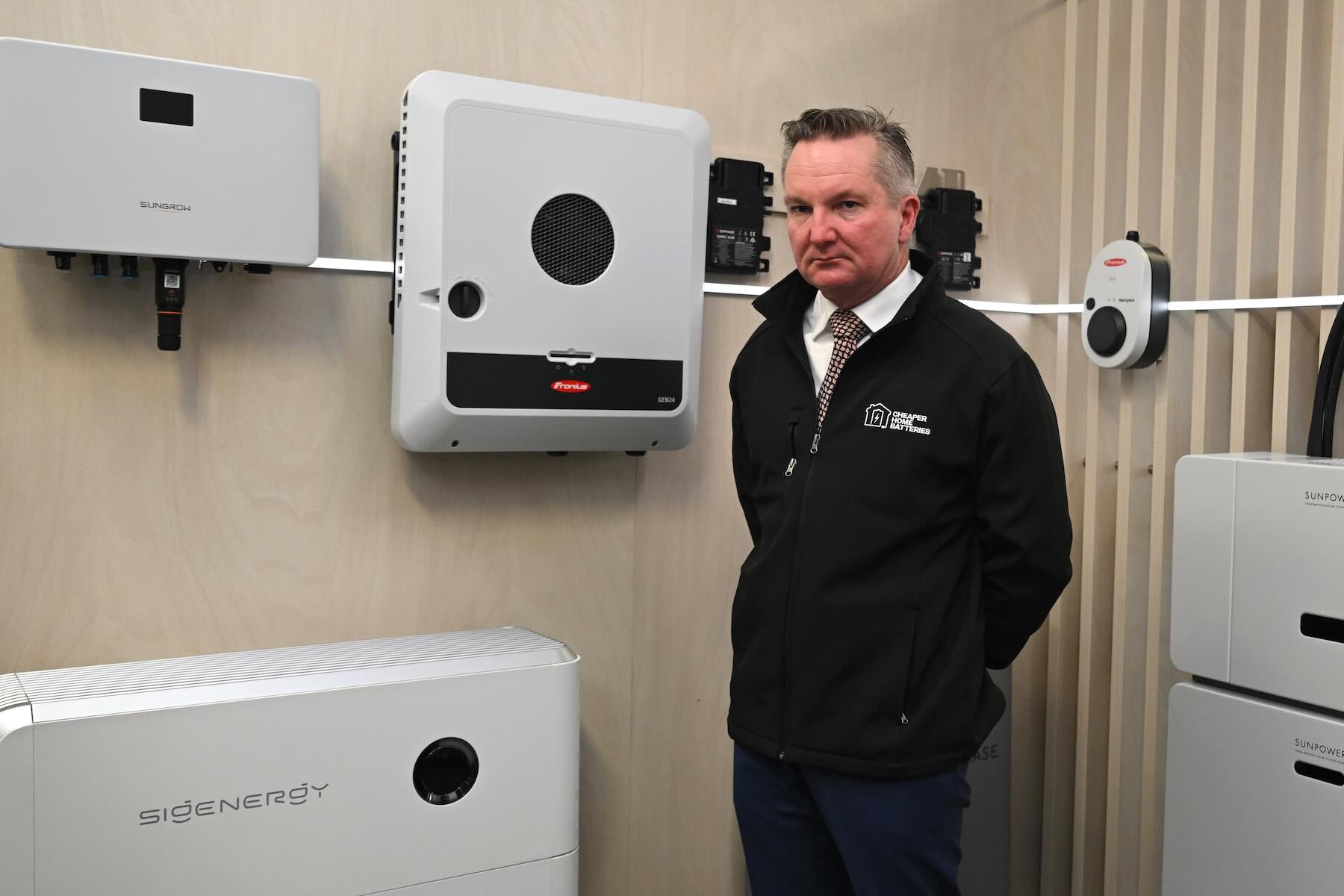
During peak times, virtual power plants (VPPs) can aggregate thousands of these batteries to discharge stored energy, preventing blackouts. This reduces the need for new gas-fired peaking plants.
For consumers, the financial benefits are growing. A typical 10 kWh battery can save a household up to $1,000 per year on electricity bills by shifting solar power to evening use. Payback periods are now under seven years in most states.
Grid-Scale Comparison: Residential Matches Utility Storage
The combined capacity of home batteries installed in the past 12 months equals that of every large-scale battery project commissioned in the same period. Utility giants like the Hornsdale Power Reserve and Victoria’s Big Battery are no longer alone.
This equivalence underscores the democratization of energy storage. “The grid is being reinvented from the bottom up,” said renewable energy consultant Mark Tran. “Every rooftop solar system and every garage battery is a node in a smarter, more resilient network.”
Future Outlook: What Comes Next?
Analysts predict the next 100,000 installations will happen in under 12 months, driven by falling battery prices and new time-of-use tariffs that reward storage.
Policy makers are now considering how to better integrate these distributed assets into the grid. The Australian Energy Market Operator (AEMO) has flagged the need for updated standards to handle the growing influx of home batteries.
Minister Bowen concluded: “Today’s number is a signal that Australians are taking charge of their energy future. And this is just the beginning.”
Related Articles
- NIO’s April Deliveries Reflect Continued Growth Amidst Weaker Momentum From Early 2026
- Breaking: May 2026 Wallpaper Collection Drops – 15-Year Tradition Continues with Global Artists
- How to Deploy 103 Electric Buses in Urban Transit: A Step-by-Step Guide for Swedish Cities
- China Auto Giants Seize European Factory Capacity as Tesla Robotaxi Delays and Rivian R2 Configurator Launch
- Google Flutter Team Dumps Node.js and Python for All-Dart Website Stack
- Chery's Multi-Brand Strategy: A Pathway to Success in the Canadian Auto Market?
- Exploring the Latest in E-Bikes and Electric Vehicles: A Q&A with Wheel-E Podcast Highlights
- Why V8 Abandoned the Sea of Nodes: The Rise of Turboshaft