Serotonin and Tinnitus: 6 Key Questions Answered
Recent research published by scientists has revealed a surprising connection between serotonin—the brain chemical often associated with mood and targeted by antidepressants like SSRIs—and tinnitus, the persistent ringing in the ears. In a study using advanced light-based brain stimulation in mice, researchers discovered a specific serotonin-driven circuit that appears to exacerbate tinnitus-like behavior. This finding offers a possible explanation for why some individuals notice their tinnitus symptoms worsen when taking SSRIs. Below, we address six common questions about this fascinating and potentially impactful discovery.
1. What is serotonin and what does it normally do in the brain?
Serotonin is a neurotransmitter, often called the brain's "feel good" chemical, because it helps regulate mood, happiness, and anxiety. It also plays roles in sleep, appetite, digestion, and social behavior. Many antidepressant medications, particularly selective serotonin reuptake inhibitors (SSRIs), work by increasing the levels of serotonin in the brain to improve mood. However, because serotonin affects many different brain circuits, its effects can sometimes be unexpected.
2. What is tinnitus and how does it affect people?
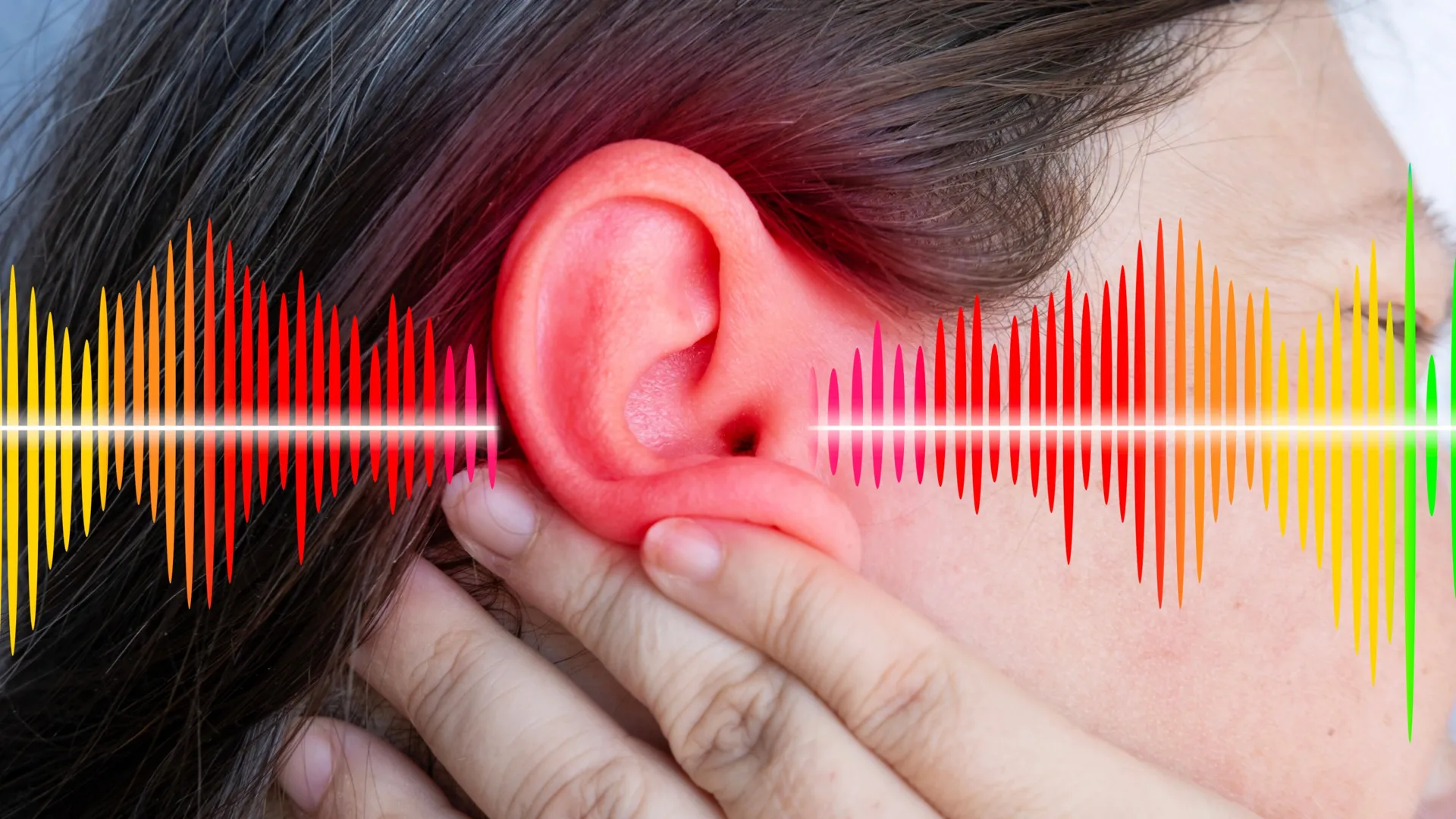
Tinnitus is the perception of sound—often described as ringing, buzzing, or hissing—when no external sound is present. It affects roughly 10 to 15 percent of adults and can range from a minor annoyance to a debilitating condition that interferes with sleep, concentration, and emotional well-being. Tinnitus is not a disease itself but a symptom of underlying issues such as hearing loss, ear injury, or circulatory system disorders. While there is no cure, management strategies include sound therapy, counseling, and sometimes medication.
3. How did scientists discover a link between serotonin and tinnitus?
Researchers used a technique called optogenetics, which uses light to control specific neurons in the brains of mice. By activating serotonin-producing neurons, they observed changes in the animals' behavior that mimicked tinnitus. They identified a particular neural circuit running from the serotonin-rich raphe nuclei to the auditory cortex that, when stimulated, increased the intensity of the perceived phantom sound. This direct causal link suggests that serotonin, rather than being neutral or protective, can actively worsen tinnitus.
4. Why do some people taking SSRIs experience louder tinnitus?
SSRIs work by blocking the reuptake of serotonin, making more of it available in the brain. While this helps alleviate depression, it may inadvertently overstimulate the serotonin-driven circuit identified in the study. As a result, some patients report that their tinnitus becomes louder or more intrusive after starting or increasing the dose of an SSRI. The new research provides a biological mechanism for this long-observed but poorly understood clinical phenomenon. However, it's important to note that not everyone experiences this side effect, and SSRIs remain effective treatments for many.
5. Does this mean people with tinnitus should stop taking antidepressants?
Absolutely not. Antidepressants can be life-changing for those suffering from depression or anxiety, and stopping them abruptly can cause serious withdrawal symptoms and relapse. The finding highlights the need for personalized medicine: if a patient notices their tinnitus worsening after starting an SSRI, they should discuss alternatives with their doctor—such as SNRIs (which affect norepinephrine as well) or non-pharmacological therapies. The research does not suggest that all tinnitus patients will be affected, and the benefits of treating depression often outweigh the risks.
6. What are the next steps in this research?
Currently, the study is limited to mice, so the next step is to confirm these findings in human brains using techniques like functional MRI or post-mortem tissue analysis. If the same circuit exists in humans, it could open the door to new treatments that block or modulate the specific serotonin pathway without affecting other beneficial serotonin functions. Researchers are also exploring whether other neurotransmitters, like glutamate or GABA, play similar roles in tinnitus. Understanding the full neural network may eventually lead to targeted therapies that provide relief without compromising mood regulation.
Related Articles
- Cosmic Inflation: A Triumph of Theory or a Fundamental Puzzle?
- Blue Origin's Blue Moon Mockup at Johnson Space Center Prepares Artemis Crews for Lunar Landings
- 8 Surprising Facts About Infrasound and Haunted Houses
- Strixhaven Smashes MTG Prerelease Record, Outpacing Universes Beyond and War of the Spark
- Unlocking Astrocyte Potential: How Sox9 Protein Could Combat Alzheimer’s
- From Historical Drama to Futuristic Epic: The Transformation of For All Mankind
- 7 Critical Flaws in VECT Ransomware That Turn It Into a Data Wiper
- How to Build Video World Models with Long-Term Memory Using State-Space Models