AI Revolution Is the 'Once-in-a-Generation' Opportunity for Graduates, NVIDIA CEO Declares
NVIDIA CEO Jensen Huang told Carnegie Mellon University graduates on Sunday that they are entering the workforce at the dawn of the most transformative technology shift in history — the artificial intelligence revolution. “You are entering the world at an extraordinary moment,” Huang said to thousands gathered under rainy skies at Gesling Stadium in Pittsburgh. “A new industry is being born. A new era of science and discovery is beginning.”
Drawing a direct parallel to his own career start during the PC revolution, Huang emphasized that the AI shift is far larger than any previous computing platform change. “But what is about to happen now is bigger than anything before,” he said. “Because intelligence is foundational to every industry, every industry will change.”
Background
Huang delivered the keynote address at Carnegie Mellon University’s 128th commencement ceremony. The event took place on Mother’s Day, prompting Huang to encourage graduates to thank their mothers before diving into his message about the AI era.
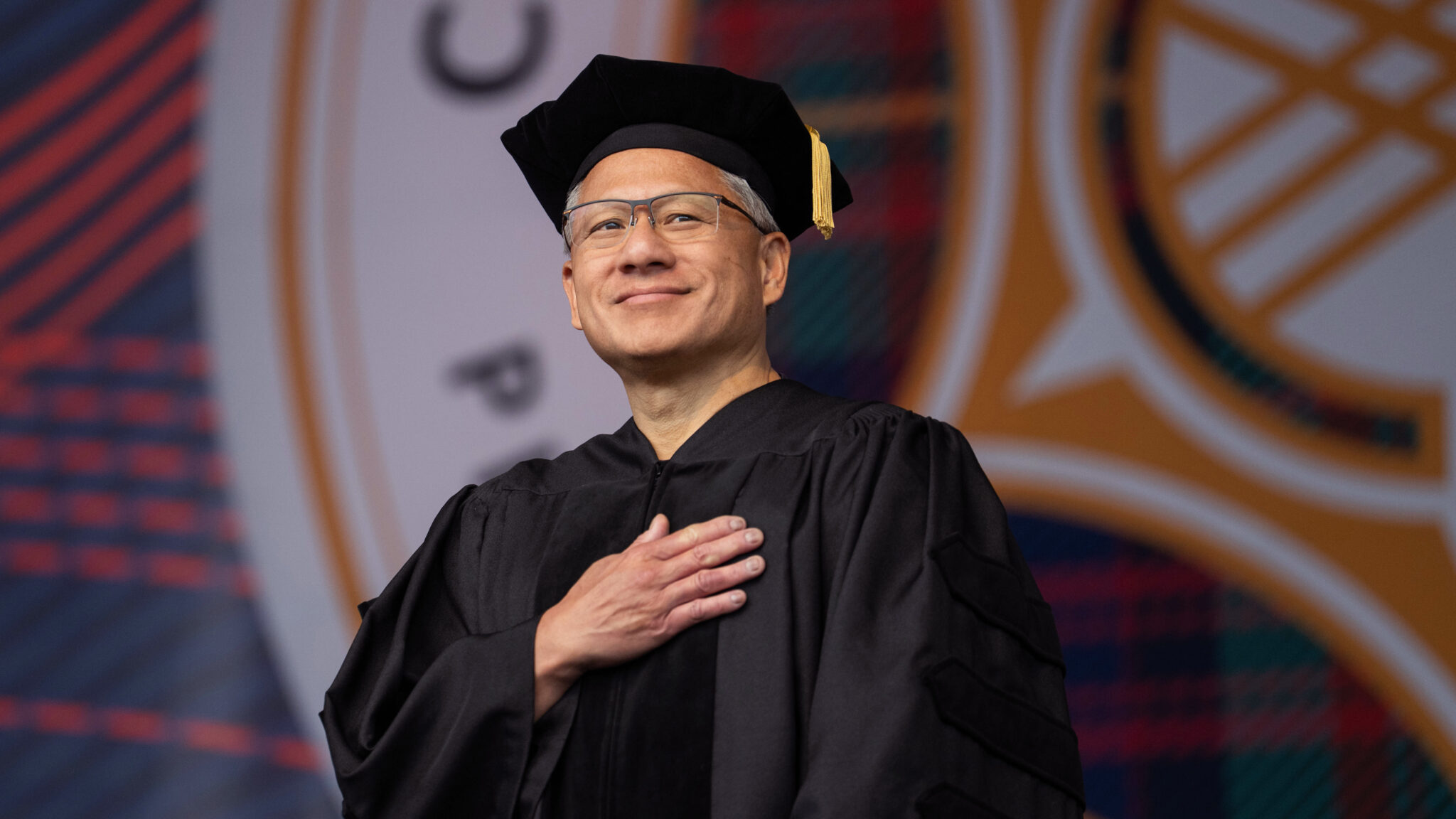
Huang, who leads the world’s most valuable chip company by market cap, has become a central figure in the AI boom. His company’s graphics processing units power the large language models and neural networks driving today’s AI applications. Carnegie Mellon is a top-tier research university with a strong focus on artificial intelligence and robotics.
What This Means
Huang framed the AI revolution as a “once-in-a-generation opportunity to reindustrialize America and restore the nation’s capacity to build.” He argued that AI will create a new industrial era, not just a new computing industry. The technology, he said, will democratize intelligence, closing the gap between those who have access to advanced computing and those who do not.
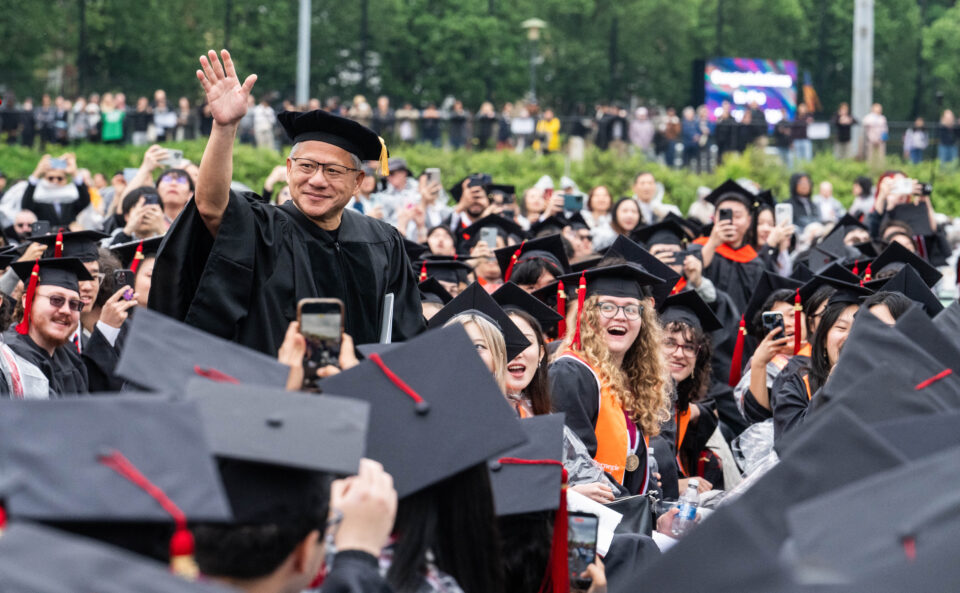
For graduates, Huang’s message is clear: they are better positioned than any previous generation to shape the future. “For the first time, the power of computing and intelligence can truly reach everyone and close the technology divide,” he said. “Now it’s your time to realize your dreams — and the timing could not be more perfect.”
The CEO acknowledged that massive industrial shifts create uncertainty and fear. “Every major technological revolution in history created fear alongside opportunity,” Huang noted. But he urged graduates to engage with AI “openly, responsibly and optimistically” to expand human potential.
Huang emphasized that the benefits of AI will extend beyond software engineers. Electricians, plumbers, ironworkers, technicians and all kinds of builders will have opportunities in the new industrial era. This underscores the broad, inclusive nature of the transformation.
Read more about the background of Huang’s remarks or explore what this means for graduates.
Related Articles
- Mastering Chatbot Development with Python's ChatterBot Library: A Comprehensive Guide
- JavaScript Breakthrough: Browser-Only Tool Converts PDF to Images Instantly, No Server Needed
- Math Gender Gap Widens Globally: Girls' Progress Erased Post-Pandemic
- How AI Agents Circumvent Security Guardrails: Insights from Okta's Threat Intelligence Report
- Navigating the Cyclical Nature of Web Development: A Practical Guide
- EVM Demystified: The Key to Optimizing Next-Generation Wireless Performance
- Coursera’s 2026 AI & Human Skills Learning: New Certificates and Courses in Q&A
- A Five-Step Blueprint for Integrating AI in Higher Education: From Widespread Adoption to Effective Preparedness