Starship V3: A New Dawn for Lunar and Martian Exploration
The highly anticipated Starship Version 3 (V3) is set to mark a pivotal moment in space exploration. As SpaceX's most advanced rocket yet, its debut launch promises to accelerate humanity's journey to the Moon and Mars. Below, we answer key questions about this megastructure.
What is the Starship V3 megarocket?
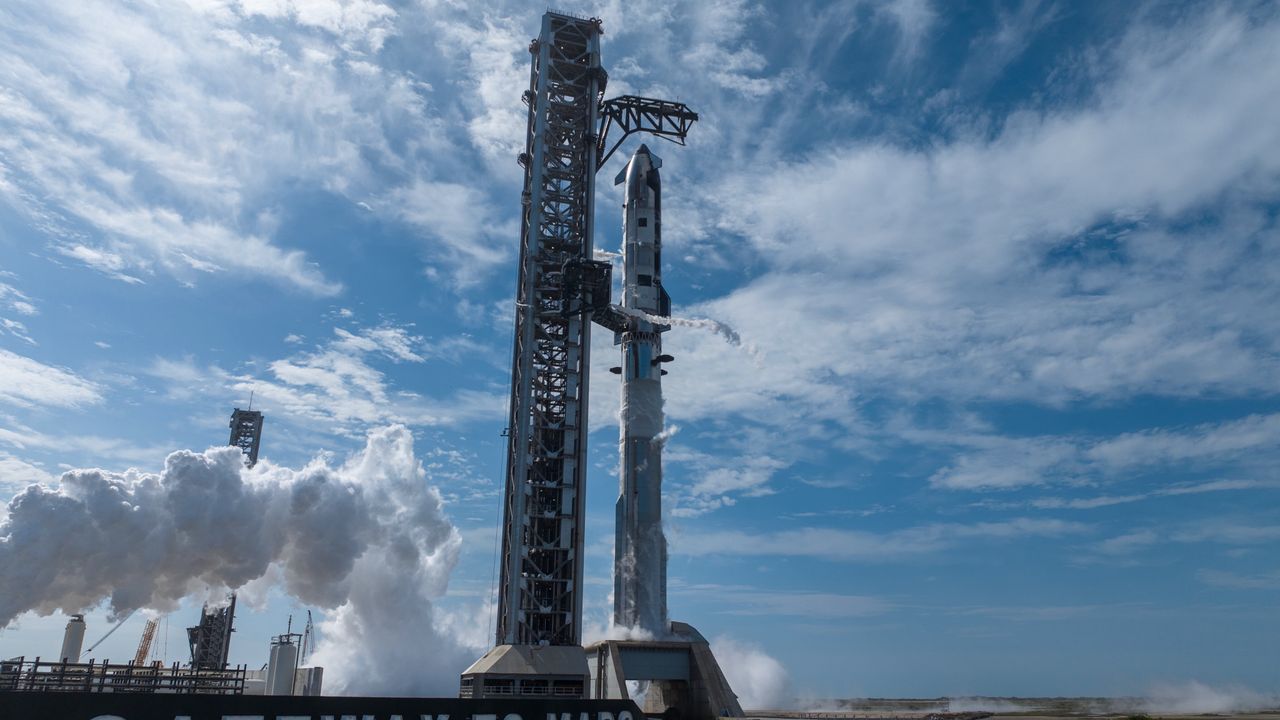
Starship V3 is the latest iteration of SpaceX's fully reusable super-heavy launch system. Described as an "advanced new vehicle," it builds on earlier prototypes with enhanced performance, reliability, and payload capacity. Designed to carry both crew and cargo, V3 represents a critical step toward enabling long-duration space missions. Its debut flight is a major milestone in SpaceX’s roadmap for interplanetary travel.
When is the debut launch of Starship V3?
SpaceX has officially targeted May 19 for the first flight of Starship Version 3. While launch dates in the space industry often shift due to technical or weather factors, this date marks the company’s current best estimate. The mission will be a crucial test of the vehicle's systems, including its Super Heavy booster and the Starship upper stage. A successful launch would pave the way for more ambitious missions.
Why is Starship V3 so important for space exploration?
Starship V3 is designed to help humanity take its first steps on the Moon and Mars. Its advanced design enables it to carry large payloads and crews over vast distances. By reducing launch costs through full reusability, it could make regular travel to the Moon and eventual colonization of Mars economically feasible. The May 19 debut will validate key technologies for those goals.
How is Starship V3 different from previous versions?
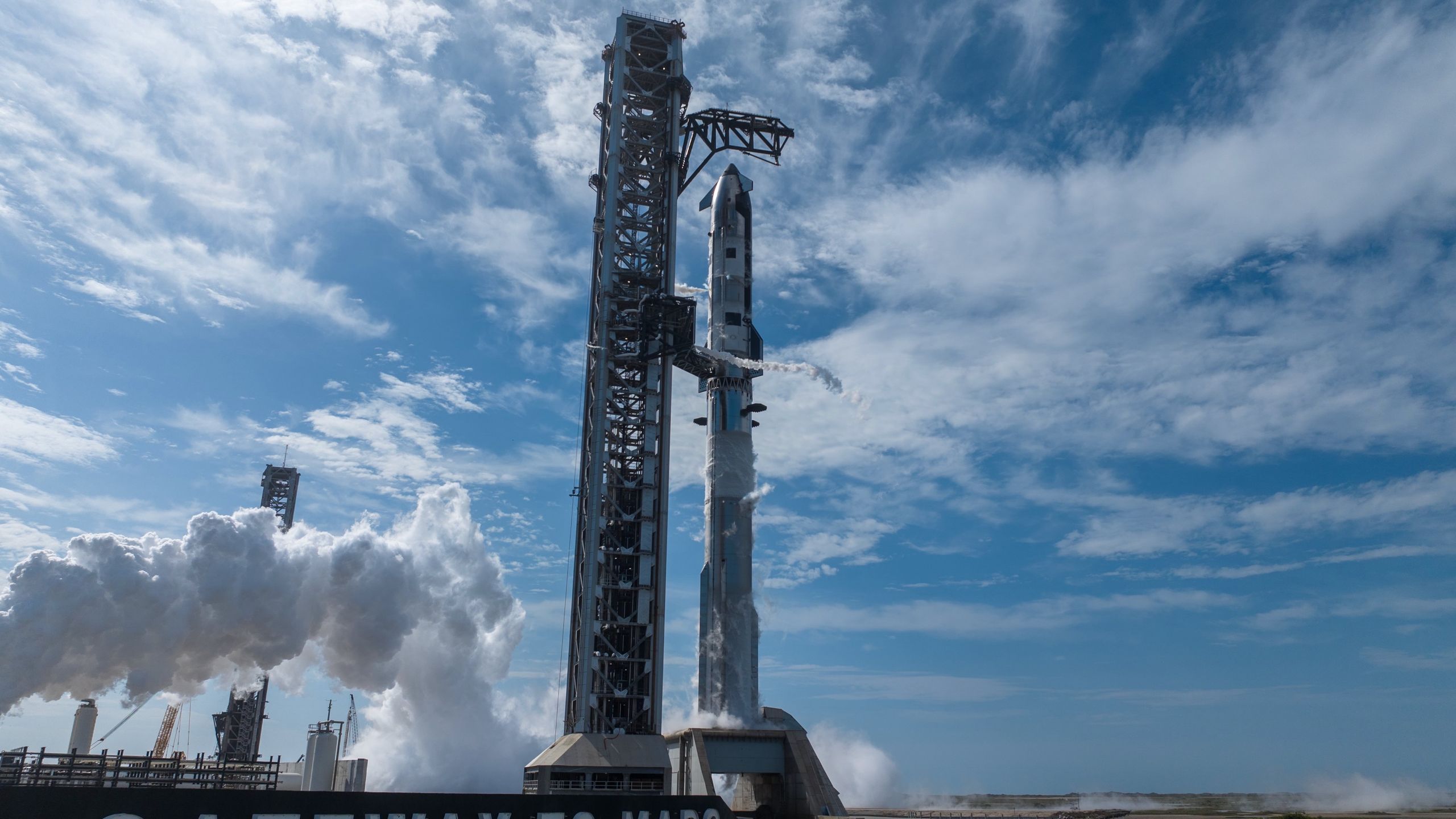
Compared to earlier prototypes, Starship V3 incorporates upgraded engines, improved thermal protection, and a refined structure for greater durability. It is also expected to offer increased propellant capacity and better performance for deep-space missions. These enhancements directly support its role in lunar landing missions under NASA’s Artemis program and eventually Mars expeditions.
What happens after the May 19 debut launch?
If the debut on May 19 succeeds, SpaceX will perform a rigorous post-flight analysis to qualify the vehicle for operational use. Subsequent missions could include uncrewed lunar landings, orbital refueling tests, and eventually crewed flights to the Moon. The ultimate vision is to establish a sustainable human presence on Mars, with Starship V3 as the primary transport system.
Related Articles
- AI Now Powers Over a Third of New Websites, Landmark Study Reveals
- Why Traditional Weather Models Still Outshine AI for Extreme Events: 10 Key Insights
- Exploring Earth's Ring Current: A Comprehensive Guide to the STORIE Mission
- Exploring Reality Through Bohmian Mechanics: A Step-by-Step Guide
- Supercomputer Simulations Reveal Secret of Dolphin's Speed: Vortex Rings and Tail Kicks
- 10 Fascinating Discoveries About What Causes Lightning
- NASA Launches Summer STEM Challenges for Students Nationwide
- Scientists Identify New Box Jellyfish Species in Singapore Waters, Document Threat Expansion