10 Crucial Considerations for Australia's Data Centre Boom and the BYO Energy Debate
Australia is on the cusp of a data centre explosion reminiscent of the United States, but with this rapid growth comes a cloud of confusion—particularly around the notion that facilities must generate their own power. As the nation grapples with energy security, grid stability, and sustainability, we need to cut through the noise and examine the real issues. Below are ten key factors that define Australia’s data centre landscape and where we should draw the line on bring-your-own (BYO) energy.
1. Renewable Energy Abundance
Australia boasts some of the world’s best renewable resources—vast solar irradiance in the outback, strong wind corridors along the coast, and emerging tidal opportunities. Data centres can tap into this green power through power purchase agreements (PPAs) or direct connection to renewable farms. This not only slashes carbon footprints but also insulates operators from fossil fuel price volatility. However, the intermittent nature of renewables demands robust battery storage or backup gas turbines, adding complexity and cost. The key is balancing environmental goals with 24/7 uptime requirements—a challenge that makes Australia both attractive and demanding for hyperscale facilities.

2. Stable Political and Regulatory Environment
Unlike some Asia-Pacific neighbours, Australia offers a predictable legal framework for foreign investment and infrastructure development. Property rights are clear, and the rule of law is strong. This stability reduces risk for data centre operators who often invest billions over decades. However, federal and state energy policies can sometimes clash, creating uncertainty around renewable targets and grid access. Recent debates over the BYO energy model show how quickly the goalposts can shift when public sentiment turns. For now, Australia remains a safe bet, but operators must stay nimble as regulations evolve.
3. Cooling Efficiency in a Warm Climate
Data centres generate massive heat; cooling accounts for up to 40% of their energy use. Australia’s hot, dry interior and humid coasts pose a mixed bag. In southern regions, free air cooling is viable for much of the year, slashing costs. But northern tropical areas require energy-hungry chillers. Operators are increasingly turning to liquid immersion cooling and AI-driven thermal management. While climate poses challenges, Australia’s engineering talent is innovating—turning a potential drawback into a competitive advantage in energy efficiency.
4. Grid Connection Bottlenecks
Many prime data centre locations—such as Sydney and Melbourne—are already straining the electricity grid. New high-capacity connections are expensive and slow, with wait times of several years. This bottleneck is a primary driver behind the BYO energy push. Operators argue that adding another 100 MW to the grid could destabilise local supply, so self-generation seems logical. Yet, as we’ll explore, this approach has its own pitfalls. The grid issue underscores the need for strategic site selection near substations or grid upgrades.
5. BYO Energy: The Upside
Bring-your-own energy—building dedicated solar farms, wind turbines, or gas plants—can bypass grid constraints and provide power security. For a hyperscale data centre requiring constant 24/7 load, on-site generation offers independence from price spikes and blackouts. In remote areas where grid extension is prohibitively costly, BYO becomes essential. Moreover, it allows operators to source 100% renewable energy by pairing solar with battery storage, appealing to ESG-conscious clients. The model can also spur local renewable investment, creating jobs and community benefits.
6. BYO Energy: The Downside
Critical voices caution that widespread BYO energy could fragment the grid, leaving existing infrastructure underutilised while new private generation duplicates capacity. There are also equity concerns: data centre operators might cherry-pick the best renewable sites, driving up land prices and crowding out residential renewables. Furthermore, if every renewable installation is tied to a single facility, the grid loses flexibility. Environmentalists worry about the ecological impact of large-scale solar farms in pristine areas. The line is drawn where BYO energy starts to undermine public goods—like affordable grid access for all.
7. Land Availability and Zoning
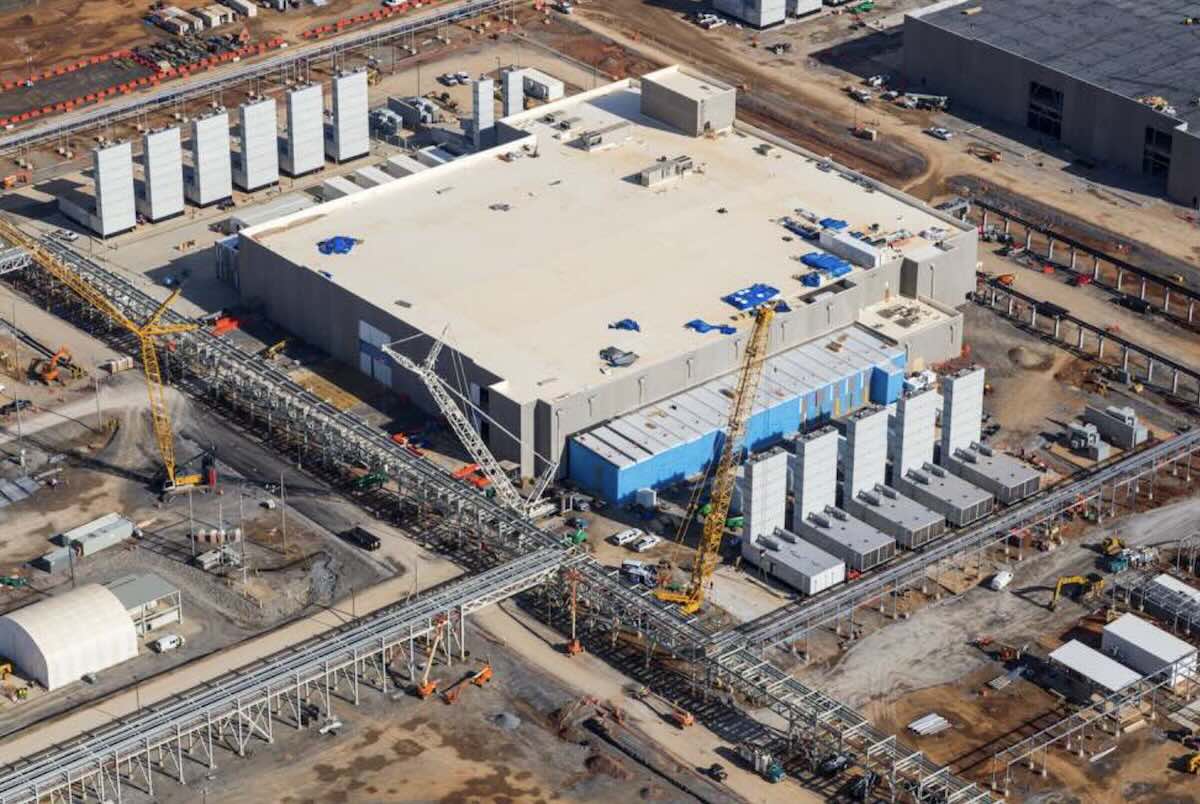
Australia has no shortage of land, but suitable parcels near fibre networks and substations are limited. Zoning laws in residential and agricultural areas often prohibit data centre construction due to noise, visual impact, and water use. Many operators eye industrial zones on city fringes, yet these are increasingly contested by community groups. The BYO energy model adds another land-use dimension: large solar arrays require even more space. Finding a site that satisfies both connectivity and self-generation needs is a growing challenge.
8. Environmental and Cultural Regulations
Data centres and their supporting energy infrastructure must navigate a thicket of environmental impact assessments, heritage protections, and native title considerations. In Australia, Indigenous land rights and sacred sites add a layer of complexity. A solar farm approved in one region might be blocked in another due to endangered species or cultural significance. These regulations protect vulnerable ecosystems—but they also lengthen project timelines. Operators who engage proactively with local communities and traditional owners often fare better than those who bulldoze through.
9. Data Sovereignty and Latency Demands
Australia’s geographic isolation makes submarine cables expensive, but once connected, local data centres offer low latency for domestic users—vital for finance, gaming, and healthcare. Regulatory requirements for data sovereignty (e.g., under the Privacy Act) keep sensitive information onshore, boosting demand for local facilities. This demand is so strong that it can justify the higher costs of BYO energy, especially in off-grid regions like Tasmania or the Northern Territory. Yet, latency-sensitive applications may still require edge centres closer to cities, creating a two-tier market.
10. Community Acceptance and Moving Forward
Ultimately, the success of Australia’s data centre expansion hinges on social licence. Rural communities may resist large data parks or solar farms that change the landscape. Noise from diesel generators and cooling towers can spark NIMBY opposition. Transparent consultation, benefit-sharing (like local jobs and infrastructure), and transparent environmental reporting can build trust. The line on BYO energy should be drawn where projects deliver genuine net benefits without externalising costs onto the public. As the industry matures, collaborative approaches—such as shared renewable zones—could harmonise growth with community values.
In conclusion, Australia is undeniably a promising location for data centres, blessed with renewable resources, political stability, and growing demand. However, the BYO energy model requires careful calibration: it can empower expansion if done responsibly, but it risks undermining grid equity and environmental standards if left unchecked. The ideal path balances private investment with public oversight, ensuring that data centre growth powers Australia’s digital future without leaving communities in the dark. Policymakers and industry must now engage in mature dialogue to define where we draw that line.
Related Articles
- Unifying Flutter and Dart Websites: A Migration to Jaspr
- Kia's Formula for EV Market Dominance: A Step-by-Step Strategy Guide
- Harnessing Electric Vehicles for Grid Resilience: A Step-by-Step Guide to Vehicle-to-Grid (V2G) Integration
- 7 Surprising Reasons Sardinians Are Fighting Clean Energy Projects
- Revitalize Your Winter: Combat Energy Inefficiency with Solar and Smart Bill Management
- 10 Ways Range Energy's Electric Trailer Is Changing Freight at ACT Expo 2026
- Nio's Onvo L80: A Budget Tesla Model Y Rival Explained
- Rocsys Introduces Autonomous Charging Hub for Robotaxis, Secures $13M to Expand