The One Feature Your TV is Missing: Wide Viewing Angles Explained
Most modern TVs boast stunning resolutions, vibrant colors, and smart features, but they often neglect one critical aspect: viewing angles. If you've ever had to crowd directly in front of the screen to get the best picture, you know the frustration. This article explores why wide viewing angles are the unsung hero for family movie nights and bright rooms, and reveals which TVs actually have them.
What is the one essential TV feature that most manufacturers ignore?
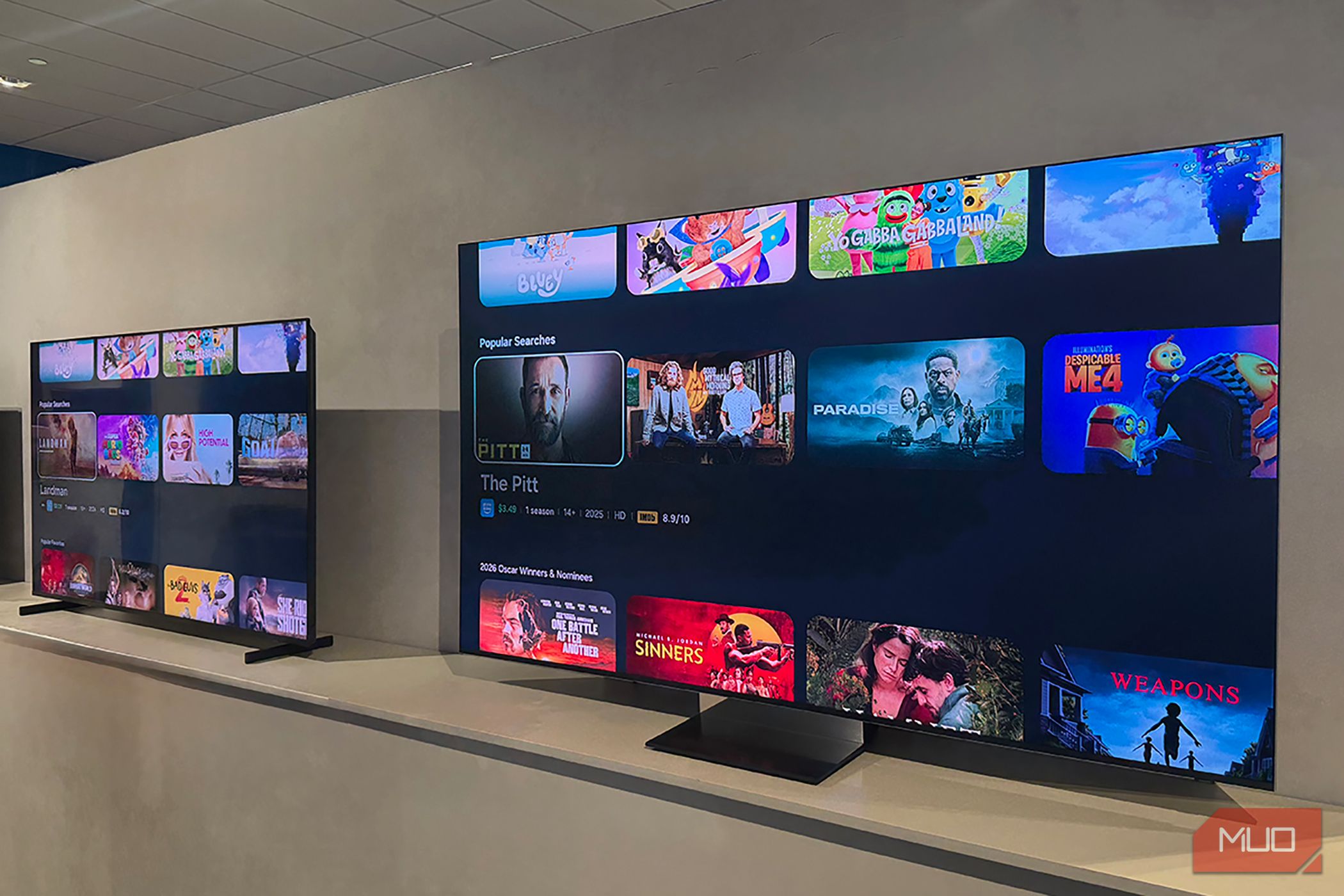
The feature is advanced wide viewing angle technology. Unlike standard screens that lose color accuracy and contrast when you move even slightly off-center, TVs with specialized layers maintain consistent picture quality from nearly any seat in the room. This includes technologies like Sony's X-Wide Angle, LG's Super Wide Angle on some OLED models, and Samsung's Ultra Viewing Angle on high-end QLEDs. Without it, the picture gets washed out, blacks turn gray, and colors shift – a problem especially noticeable in larger family settings or when the TV is mounted at an angle.
Why is wide viewing angle technology so important for families and bright rooms?
For families, not everyone can sit dead center. Kids on the floor, guests on side sofas, or meals in an adjacent dining area all need a clear view. In bright rooms, ambient light from windows or lamps reflects off the screen, but a good wide-angle filter helps reduce glare while preserving image quality. Studies show that the average viewing angle in a living room is around 30-40 degrees off-center – well past the point where standard LCDs degrade. This feature ensures everyone sees the movie exactly as intended, without arguments over who has the best seat.
How does wide viewing angle technology actually work?
There are two primary methods. For LCD TVs, manufacturers insert a specialized light-diffusing layer between the backlight and the liquid crystals. This scatters light more evenly, preventing the contrast loss that occurs at oblique angles. For OLEDs, which already have near-perfect viewing angles due to self-emissive pixels, the challenge is brightness. Some OLEDs add a micro-lens array that boosts light output while maintaining wide-angle consistency. Samsung's QD-OLED also uses quantum dots to preserve color at wider angles. The result is a screen that looks great from 0 to 60 degrees or more.
Which TV brands and models currently offer this feature?
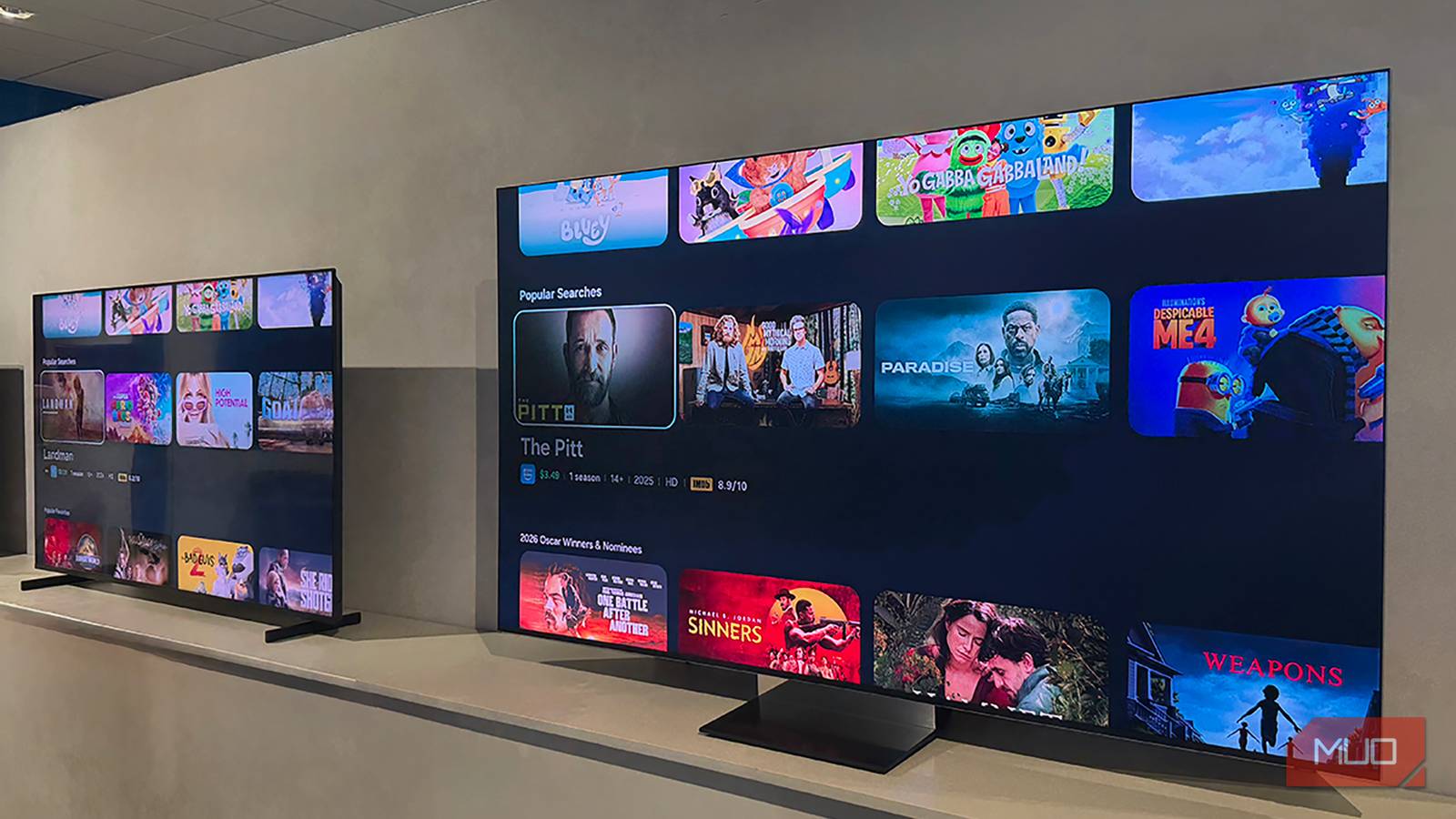
Top contenders include Sony (X95K and X90L series with X-Wide Angle), LG (G3 and C3 OLEDs with their Super Wide Angle via MLA), and Samsung (QN90C and QN900C with Ultra Viewing Angle). TCL and Hisense add wide-angle films to some mini-LED models, but performance varies. Flagship OLEDs from Panasonic and Philips also excel, but their availability is limited. For a budget-friendly option, look for models specifically advertised as having a “VA panel with wide viewing angle coating” – though this is rare under $1,000.
Can you add wide viewing angle capability to an existing TV?
Unfortunately, no. Wide viewing angle technology is built into the screen stack during manufacturing. You cannot add it later. However, you can mitigate the problem by adjusting your room layout: place the TV lower or tilt it slightly, add blackout curtains to reduce glare, or avoid seating beyond 30 degrees off-center. Some aftermarket privacy filters claim to improve side viewing, but they often reduce overall brightness and make the picture duller – a poor substitute for native technology.
Will future TVs all include this feature?
It's likely, but not guaranteed. As mini-LED and micro-LED technologies mature, wide viewing angles become easier to implement. The industry is also moving toward smaller pixel pitches and coated substrates that inherently improve off-axis clarity. By 2026-2027, mid-range and above models from major brands are expected to include some form of viewing angle enhancement as standard. For now, if you value a consistent picture for the whole family, avoid cheap VA panels without any coating, and invest in a model that explicitly mentions wide-angle performance in its spec sheet.
Related Articles
- A Step-by-Step Guide to Overhauling Community Search for Better Discovery and Validation
- Googlebook Name Sparks Debate: Android’s Identity Crisis Deepens
- Why the Best Storage Strategy is Managing What You Have, Not Buying More
- 7 Timeless Lessons in Amiable Design from Vienna's Intellectual Circle
- The New Face of Microsoft 365: How Copilot Chat Transforms Document Workflows
- Barnes & Noble’s AI Book Policy Sparks Heated Debate
- How OpenSearch Is Shaping Up as the Go-To Data Layer for AI Applications
- How to Foster Amiability in Online Communities: Lessons from the Vienna Circle