Tesla Semi Deploys in Southern California Port Drayage Pilot with MDB Transportation
Breaking: Tesla Semi Hits Active Port Freight Lanes in 3-Week Pilot
MDB Transportation, a Southern California drayage operator based in Compton, has launched a three-week pilot using a Tesla Semi to haul containers on active port freight routes. The electric Class 8 truck is now operating in one of the nation’s most demanding urban freight environments, marking the second port trucking company to test the vehicle in real-world drayage operations.
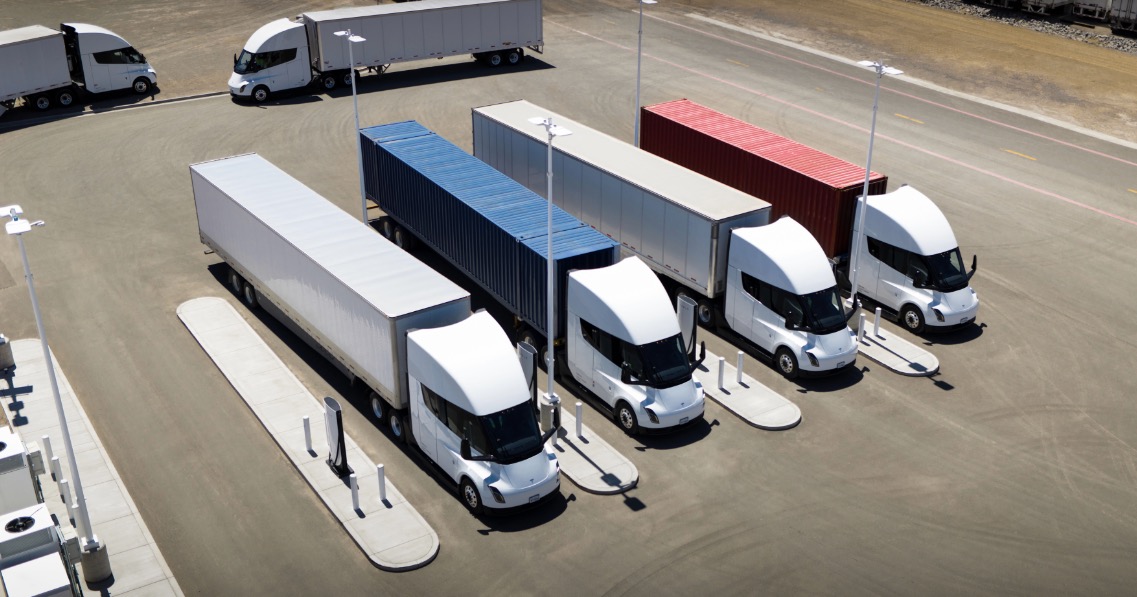
"This pilot is about validating the Tesla Semi in the toughest conditions—stop-and-go port traffic, heavy loads, and tight schedules," said a MDB spokesperson. "We’re tracking every kilowatt-hour, every minute of cycle time, and every driver reaction."
The deployment comes as regulators push for zero-emission trucks at U.S. ports. California’s Advanced Clean Fleets rule requires drayage fleets to transition to electric by 2035.
Background
Tesla unveiled the Semi in 2017 and began customer deliveries in late 2022. PepsiCo was the first to use the truck in commercial deliveries. NFI Industries, another port drayage firm, ran a pilot with the Tesla Semi earlier in 2024.
MDB’s pilot is distinct because it focuses on the Southland’s congested port complex—Los Angeles and Long Beach—where diesel trucks have long dominated. The company is collecting data on energy efficiency (miles per gallon equivalent), cycle time (from pickup to delivery to return), and driver experience (comfort, range anxiety, charging downtime).

What This Means
If successful, the pilot could accelerate adoption of electric trucks in drayage—a sector responsible for heavy pollution near disadvantaged communities. MDB’s results will be closely watched by fleet operators, regulators, and Tesla investors.
"Port drayage is a natural early market for electric trucks because routes are relatively short and predictable," commented Dr. Emily Tran, transportation analyst at GreenTech Research. "But if Tesla’s battery can sustain the stop-start cycle and still deliver 500 miles of range, that changes the calculus for fleets coast-to-coast."
The pilot also tests Tesla’s promise of lower total cost of ownership. MDB will compare maintenance expenses, fuel costs, and driver productivity against its diesel fleet. Early signs may emerge within the three-week window.
For now, the Compton-based carrier is running the Semi alongside its conventional trucks. Drivers are undergoing training on charging procedures and regenerative braking. MDB plans to publish a summary report after the test concludes.
This story is developing. Check back for updates on MDB’s findings and Tesla’s response.
Related Articles
- How to Craft an Energy Crisis Response Plan: Lessons from Europe's 2026 Package
- How to Prepare Your Commercial Building for Surging Data Center Server Energy Demand
- Battery Storage Costs Plunge 70% in Two Years, Says Top Developer – Solving Grid Challenges
- Your Step-by-Step Guide to Installing Balcony Solar Panels in the US
- David Szymanski Unveils B.U.G.B.I.T.E.: A Giant Ant Shooter Set in Trash Mountains
- Iberdrola Seeks Federal Approval for Massive 1,000 MW Battery at Remote Cattle Station, Eyes Adjacent Wind Farm
- New Research Reveals Coal Emissions Diminish Solar Power Efficiency
- Tesla's Affordable Model 3 from China Hits Canada at Record Low Price